
Hungry, Unhoused, and Queer: How King County Can Show Up for LGBTQA+ Youth

Updated: Jun 25

It has never been easy to come out as gay, transgender, or queer. No matter how loving and supportive the family is, there is always the fear: what if they reject me? What if they disapprove? What if they kick me out?

And in many cases, they do. In fact, a study published by The Williams Institute at UCLA found that 55% of homeless kids identifying as LGBTQ were kicked out of their homes solely because of their sexual orientation, and for kids identifying as transgender, that number was even higher – a sickening 67%.[1]
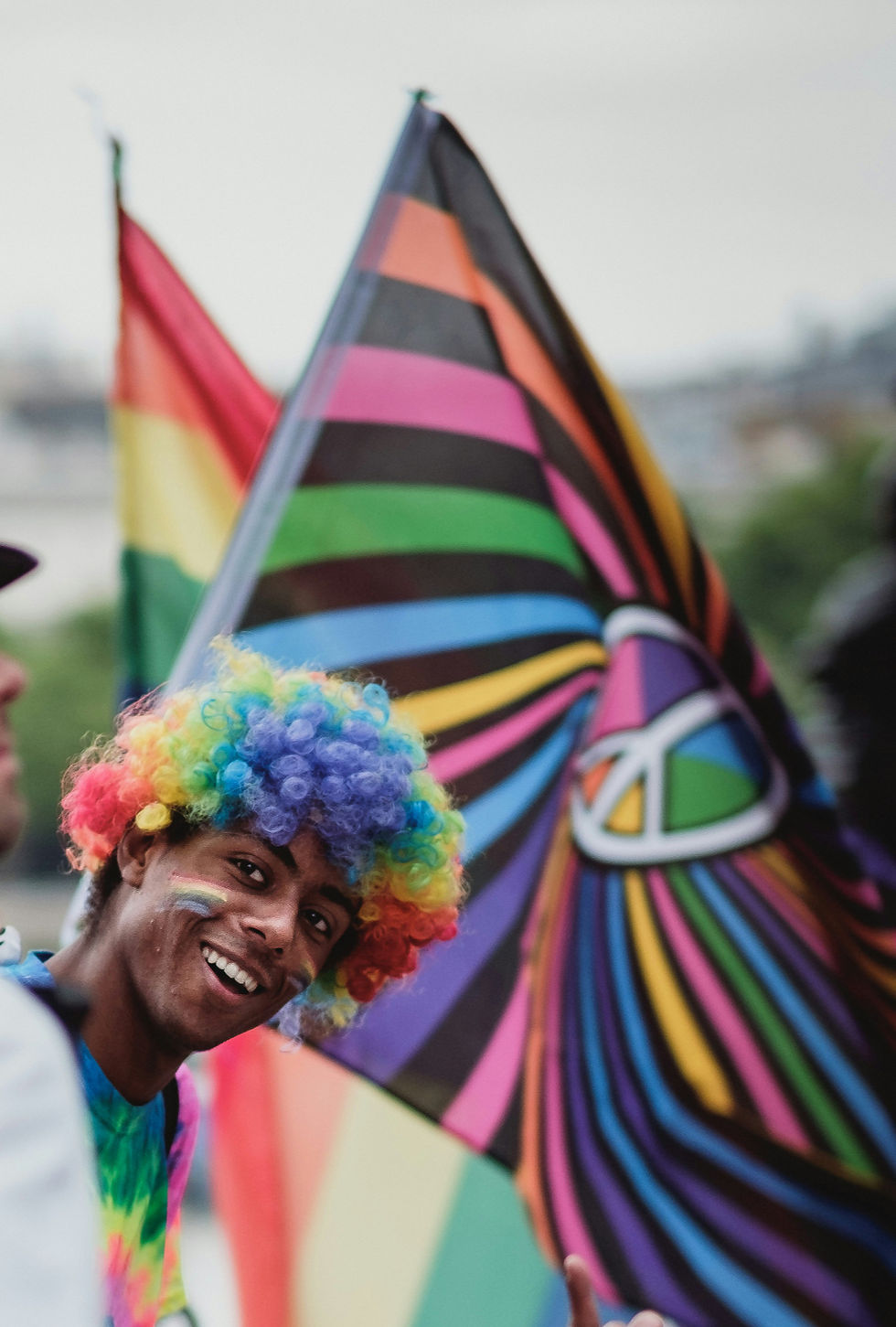
LGBTQA+ kids make up only about 10% of the total youth population in the United States, but 40% of homeless kids identify as LGBTQA+.[2] Kids who come out – or are outed – to their families before they are 18 years old have a stunning 120% higher chance of experiencing homelessness than do their heterosexual, cisgendered peers. While family rejection is the biggest threat to housing stability for these kids, they also experience higher rates of depression and anxiety; higher rates of bullying or abuse at home, in their communities, and at school; and substance abuse. Homeless kids who seek temporary housing – especially at shelters meant for adults - experience a higher rate of discrimination, harassment, and assault from both other shelter residents and shelter staff. As a result, more LGBTQA+ kids are on the street, stay on the street longer, and have less chance to secure employment that would help them transition to housing than other homeless youth.[3]

Along with housing, homeless LBGTQA+ youth have a wide variety of unmet needs, primary among them lack of reliable access to food. This is where organizations like Backpack Brigade step in. Homeless kids are guaranteed the right to an education by the McKinney-Vento (MKV) Act. Local schools assess the needs of kids on their MKV rosters and reach out to organizations that provide food, personal hygiene items, school supplies, and healthcare to supply their needs. While Backpack Brigade doesn’t know the kids we serve personally, we know they are kids who are suffering. We prepare, pack, and deliver weekend hunger bags to every kid on the list every week of the school year, and we’ll do it until all kids are fed.

This Pride Month, we're encouraging all our supporters to think more deeply about the specific needs of LGBTQA+ youth. There are mentorship programs, teen shelters, LGBTQA+ community centers, and, yes, food service organizations that could use your support. Here are four doing powerful work right here in King County:
Lambert House is an LGBTQ+ youth community center in Capitol Hill offering drop-in hours Monday through Friday, weekly affinity groups (including groups specifically for trans youth, queer women, and youth who identify as boys who like boys), and satellite groups in communities across King County — including White Center, Skyway, Renton, Auburn, and Federal Way. Dinner with Divas, a family-style community meal, is served every evening the drop-in center is open. It's a real home base for youth who need one.
Gay City's Mutual Aid Closet and Pantry is open Wednesday through Saturday at Seattle's LGBTQ+ Center on Capitol Hill. The pantry provides food, hygiene products, and clothing to help affirm gender, and is open to all community members. No eligibility hoops, no judgment.
Therapeutic Health Services (THS) offers mental health and behavioral health care specifically for queer youth, with providers who share lived experience. Youth age 13 and older who prefer to make independent decisions about their behavioral health can access options that cover the cost of treatment and support — without requiring parental involvement. Share their Get Help Line: 1-833-278-4357.
UTOPIA Washington centers Queer and Trans Black, Indigenous, and People of Color (QTBIPOC) youth. Their Care Management program helps youth navigate food and hygiene resources, gender-affirming care, school supplies, and wraparound support to help young people stay focused on education and wellness. They're based in Kent and serve communities across the region.
If you know a kid who appears to be struggling, offer a shoulder to lean on. Encourage your child's school to enact anti-bullying policies that protect kids from harassment and abuse. Most of all, be an ally — community acceptance is one of the most important factors in moving a kid struggling with their sexual orientation or gender identity off the streets and into a safer, healthier, more successful life.
And to all of you who may need to hear this today: we love everybody, just the way they are!!! Happy Pride Month, Seattle!

Footnotes


Comments